











CAPACS News
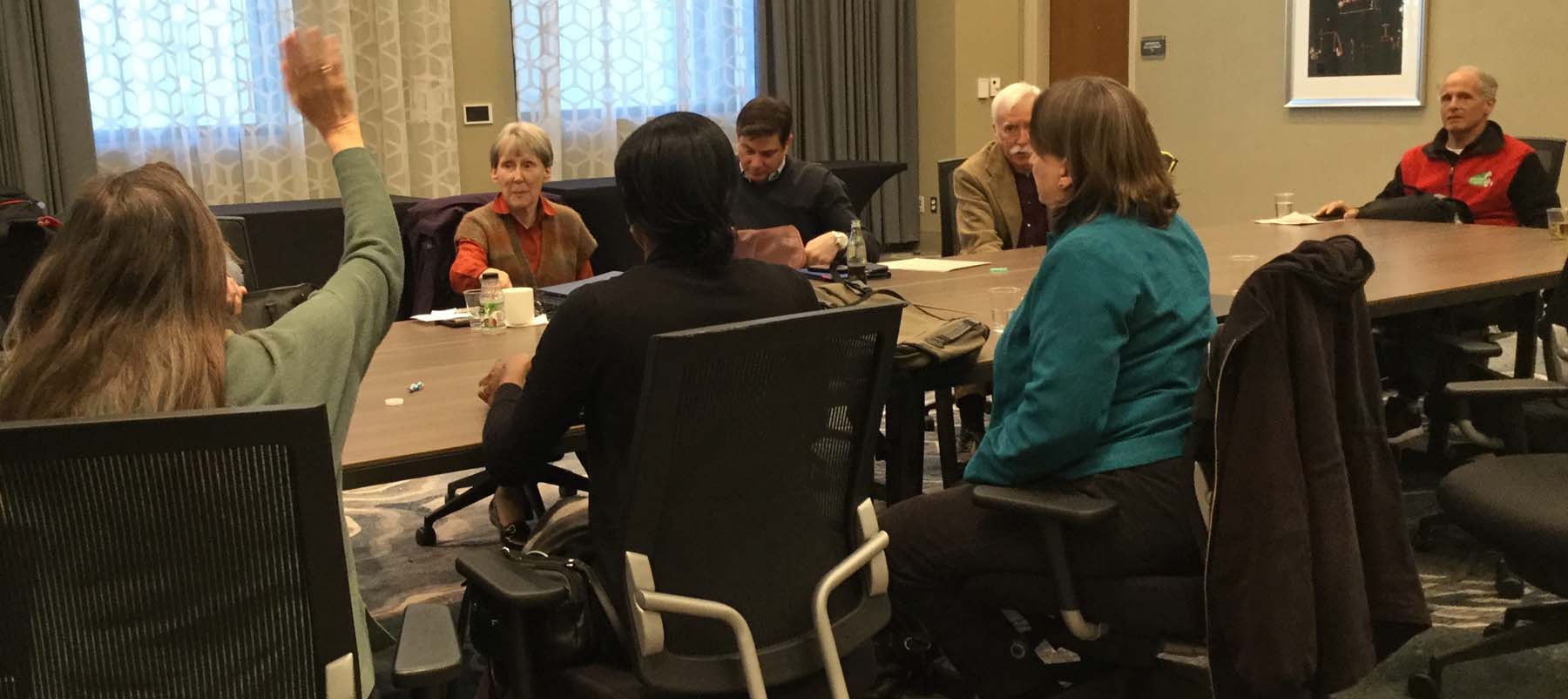
The CAPACS Annual Board Meeting will be convened at the 119th Annual Meeting of the American Sociological Association (ASA) in Montréal, Canada. For additional information, Read more…
Read the Commission's Statement Welcoming International Programs. Read more...
Preview articles on accreditation and Commissioners' other contributions to the literature on the CAPACS "Resources" web page.
The Commission invites you to contact us about CAPACS accreditation for your Program in Applied Sociology, Clinical Sociology, Engaged Public Sociology, Translational Sociology, Forensic Sociology, or Sociological Practice. Contact us.
Read the Commission's Official Statement for conducting virtual accreditation reviews and site visits during a domestic or international crisis such as the COVID-19 pandemic. Read more…
Meet the Commission at Upcoming Informational Panels and Workshops or Webinars
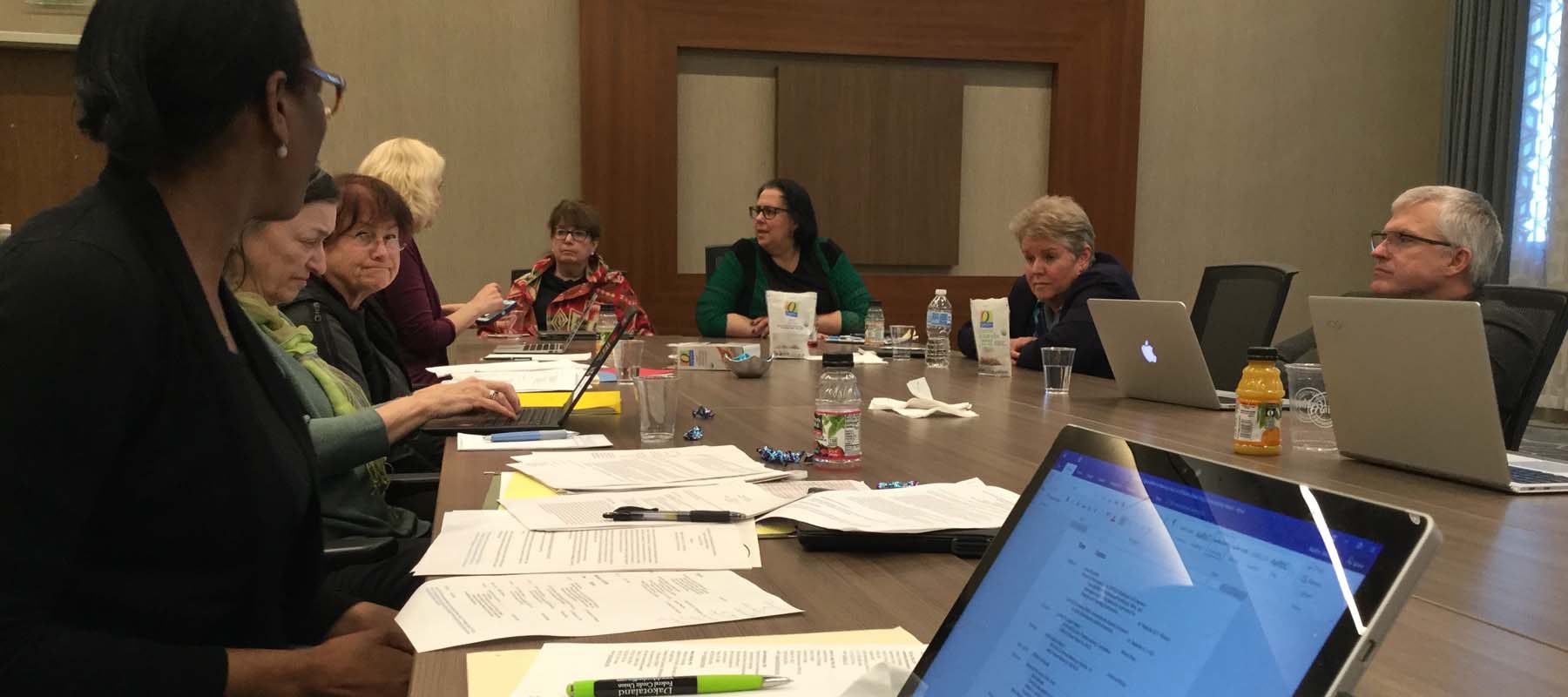
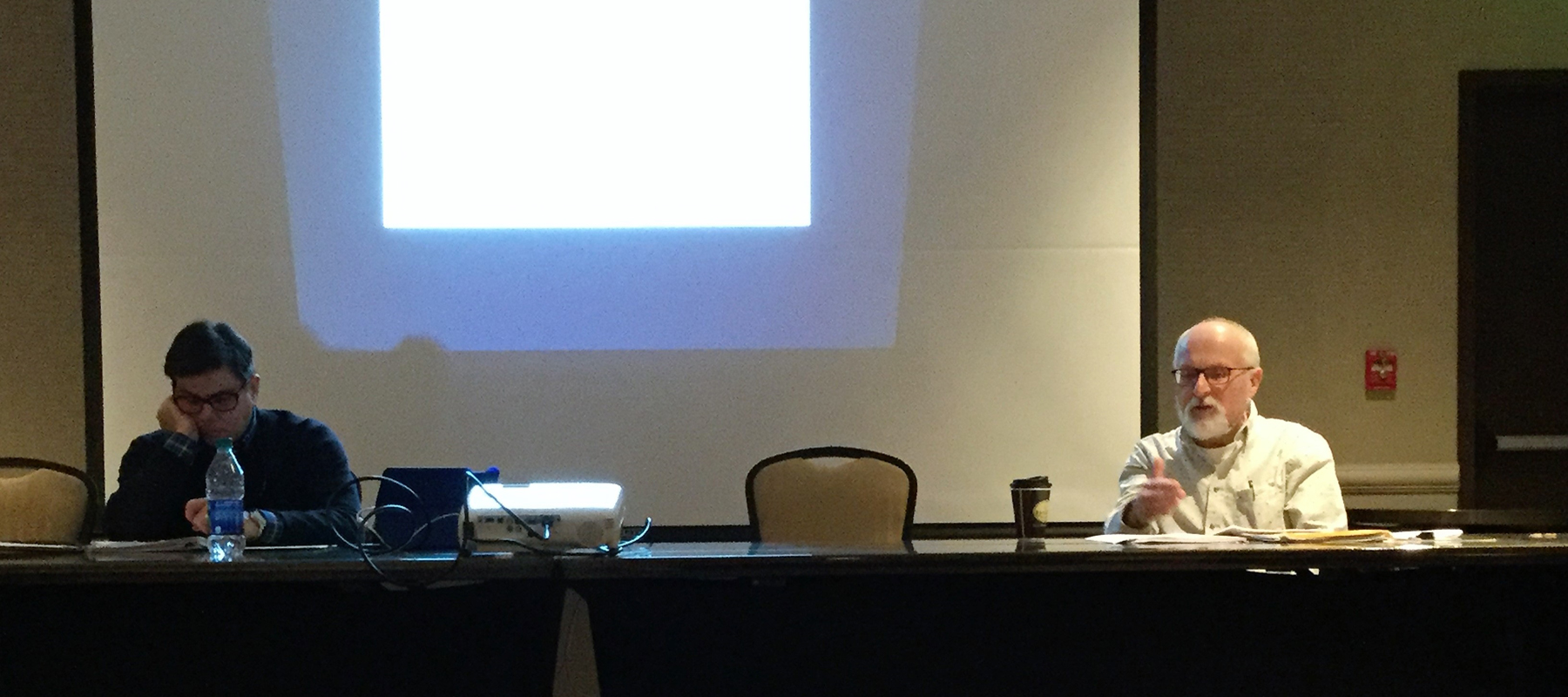
Please visit the "Meet the Commission" web page for information on recent and upcoming CAPACS Informational Panels and Accreditation Review Committee (ARC) and Site Visit Team (SVT) Training Workshops or Webinars. Read more...
Please visit the Commission's RISC web page for information about the Réseau International de Sociologie Clininque (The International Network of Clinical Sociology), which includes links for RISC news, events, conferences, training, publications, and useful resources in clinical sociology. Read more…
Program News
See Slides, Photos, and a Press Release for Some CAPACS Programs. Read more...
Commissioners’ Corner
CAPACS invites undergraduate and graduate programs in sociological practice (applied, clinical, engaged public, translational, forensic, and rural sociology) to download a PDF of the Commission's informational slideshow on accreditation, a published article on "Accreditation" co-authored by CAPACS Chair, Dr. Michael Fleischer, and CAPACS Vice-Chair, Dr. Norma Winston, the "CAPACS Ad," and the "CAPACS Trifold Accreditation Brochure" for department newsletters, colleagues, alumni, and friends. Click here for more information….
CAPACS Quick-Tips
Make sure your program in sociological practice (applied, clinical, engaged public, translational, forensic and rural sociology) is ready for CAPACS accreditation. Read more…
Know the suggested timelines for accreditation and reaccreditation, and site visitations.
Download the "Big City University Self Study Report Template" (narrative only) in PDF for preparing your Program Report. A Word version also is available on the "Preparing for Accreditation" web page.
For more information or assistance, please "Contact CAPACS